Swine Flu Cases Rise in India, but Experts Say Don't Panic
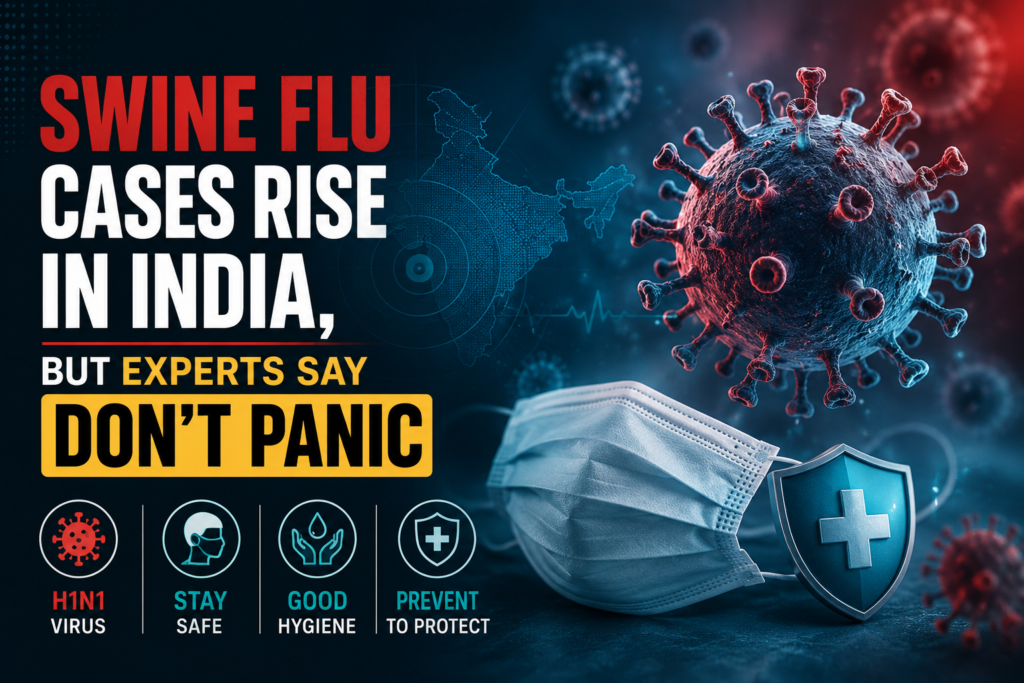
Swine flu cases are climbing across several Indian cities, with Delhi alone logging 138 fresh H1N1 infections in a single 24-hour period, pushing its cumulative count for the year to 2,446. Despite the rising numbers, former ICMR Director General Prof Nirmal Kumar Ganguly has said there is no reason to panic, while still urging citizens to stay alert and take basic precautions.
What the Former ICMR Chief Said About the Situation?
Speaking in an interview, Prof Ganguly noted that swine flu cases have actually been declining in Delhi over the past two weeks and pointed out that H1N1 is not a new virus, meaning testing isn’t mandatory for every symptomatic person. He said this year’s Delhi case count of around 2,300 is comparable to what Bengaluru recorded last year, and roughly 4,000 cases have already been reported in Bengaluru this year, with 2,500 to 3,000 cases logged in cities including Kolkata, Chennai, Hyderabad and across Kerala.
How H1N1 Compares to Past Outbreaks and Covid-19?
According to Ganguly, influenza viruses like H1N1 trace back to the 1918 Spanish Flu pandemic and have continued mutating and resurfacing ever since, with H1N1 and H3N2 currently the dominant circulating strains. He explained that H1N1 differs structurally from Covid-19, since influenza viruses belong to a different viral family than coronaviruses.
Because influenza has circulated for so long, more young adults now carry some immunity to it, unlike with Covid-19, which affected young adults and the elderly alike as a novel virus. He also noted that influenza involves less neurological impact than Covid-19, though pneumonia can occur with either illness.
Who Should Get Vaccinated and How Much It Costs?
Ganguly said vaccination is currently being recommended for people with existing health conditions who are hospitalized, as well as for hospital staff. The vaccine is priced affordably, in the range of Rs. 800-900. He added that more thought is still needed on how to extend protection to vulnerable populations, such as people living in slum areas with limited healthcare access.
When Testing Is Actually Necessary?
Since roughly 98 percent of flu cases this season are confirmed as H1N1, Ganguly said routine testing isn’t required for everyone showing flu-like symptoms. Instead, he advised that mild cases be managed with paracetamol, fluids, proper nutrition and rest, while testing becomes important specifically for patients experiencing breathing difficulty or chest pain. Basic hygiene measures, including mask use and social distancing, remain important regardless of testing status.
High-Risk Groups That Need Extra Caution?
Ganguly identified children under five and adults aged 65 and above as the most vulnerable groups, given that respiratory infections are a leading cause of mortality at both ends of the age spectrum. Other high-risk individuals include cancer patients undergoing chemotherapy, people with immunodeficiency, and those managing diabetes, cardiovascular disease, organ transplants or chronic kidney disease.
He advised that these groups seek hospital care if infected, regardless of formal H1N1 confirmation, and noted that the antiviral medicine oseltamivir is available and effective for influenza when given within the first 48 hours of symptoms.
Delhi’s Hospital Preparedness Measures
Delhi’s Health Department has directed government hospitals to maintain at least five isolation beds each for influenza and vector-borne disease patients, with larger hospitals required to keep ten or more.
Following a review meeting led by the state’s Health Minister, hospitals have also been instructed to set up dedicated Flu Corners in emergency departments, staffed by senior residents, to promptly assess suspected cases and collect swab samples where clinically necessary. Delhi’s cumulative Influenza-A case count, which includes H1N1, currently stands at 3,177.
Precautions Citizens Are Advised to Take
Both Ganguly and Delhi health officials have urged citizens to remain vigilant without panicking, relying on verified information rather than rumours. Recommended precautions include maintaining social distancing in schools and colleges, avoiding cinema halls and large gatherings where possible, wearing N95 masks in crowded settings, practicing regular hand hygiene, and avoiding touching the face.
Anyone experiencing flu-like symptoms is advised to isolate, stay hydrated, and seek medical attention promptly if breathing difficulty, chest pain or persistent fever develops, while avoiding self-medication with antibiotics or antivirals without medical guidance.
Author: M Jyosri
A Junior Journalist passionate about reporting accurate, engaging, and reader-focused news across technology, business, education, health, entertainment, lifestyle, and current affairs. Dedicated to researching reliable sources, verifying information, and producing clear, factual content that follows ethical journalism standards.