Worst Ebola Outbreak in DRC History: 9,000 Cases, 4,000+ Deaths and a Race Against Time
A Crisis That Keeps Growing
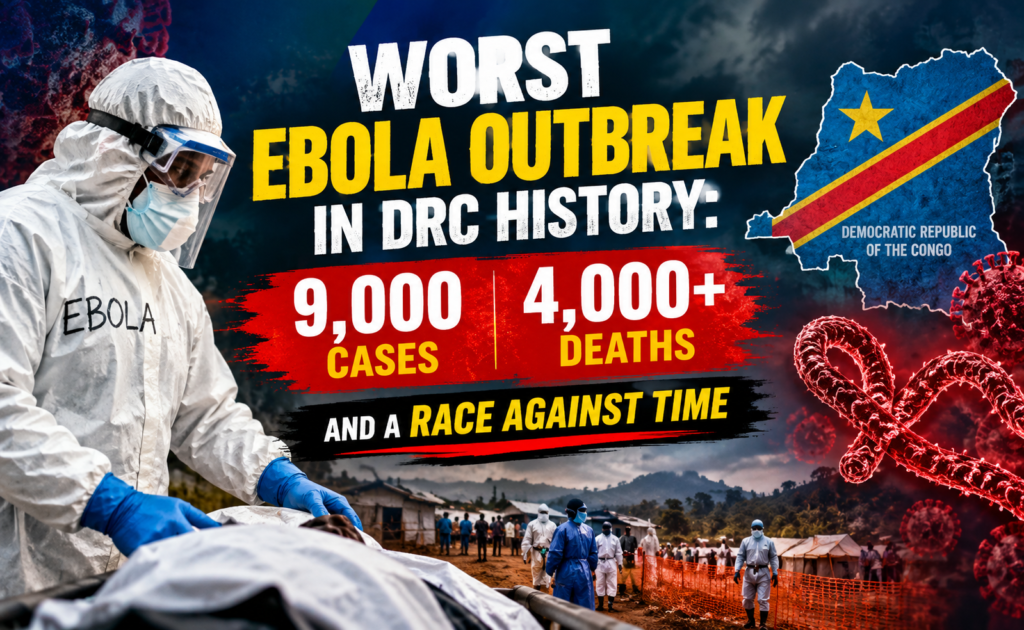
The Democratic Republic of Congo is facing the largest Ebola outbreak in its history. Congolese health authorities reported on Tuesday that the Ebola outbreak in DRC has now passed 9,000 confirmed cases, and deaths have crossed 4,000. Behind these numbers are families, health workers and entire communities living under the shadow of a deadly virus. Here is what is happening, why it is so hard to control, and what hope is on the horizon.
The Latest Numbers
According to the country’s national public health institute, the outbreak has infected 9,066 people and caused 4,381 deaths. That works out to a fatality rate of about 48.3 percent. Another 2,389 people are reported to have recovered. For context, the previous worst outbreak in the DRC, between 2018 and 2020, caused nearly 2,300 deaths among about 3,500 reported cases. The current outbreak has already passed that toll by a wide margin.
How and Where It Began
- Official declaration: The DRC announced its 17th Ebola outbreak in mid-May.
- Likely earlier start: Experts believe the virus began spreading weeks or even months before that.
- Starting point: The outbreak began in Ituri, in the northeast of the country.
- Spread: It has since reached seven provinces across the north and east.
- Historical weight: Ebola has claimed more than 15,000 lives in Africa over the past 50 years.
What Is Ebola?
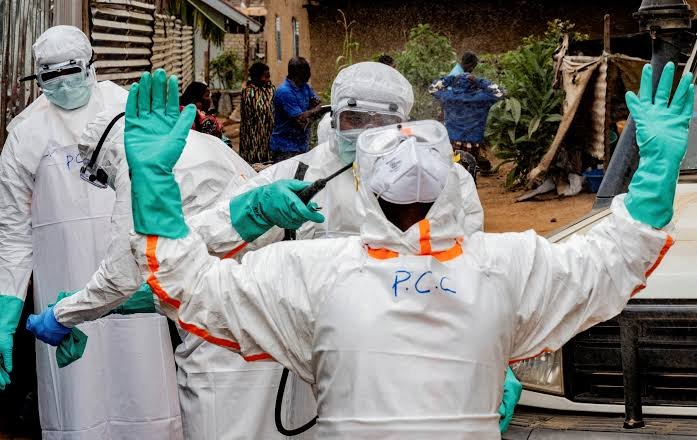
Ebola is a severe illness that causes hemorrhagic fever, which involves serious bleeding and organ damage. It spreads through contact with the bodily fluids of an infected person. That is why health workers and family caregivers face a high risk, and why quick isolation and safe care matter so much.
Why Is This Outbreak So Hard to Stop?
Several problems are making the response difficult:
- Remote regions: The affected areas have very limited healthcare resources.
- Armed groups: Their presence makes travel and access dangerous for response teams.
- Community distrust: Medical and humanitarian workers have met suspicion from some local communities, leading to several incidents in recent months.
- The strain itself: This outbreak is caused by the Bundibugyo strain, for which no vaccine or treatment has been approved.
The Vaccine Question
The last point deserves a closer look. The Ervebo vaccine has proven effective against the Zaire strain, the most common type seen in past outbreaks. That is not the strain behind this outbreak. Even so, in recent weeks the first doses were given to frontline volunteers as part of a clinical trial, which will help researchers learn how the vaccine behaves here. Experts from the World Health Organization said a clinical trial of an Ebola vaccine is expected to start in the DRC before the end of this month.
Analysis: Reading the Situation
Three points stand out. First, the speed of growth matters. Because experts think the virus circulated before the May declaration, early detection appears to have been a major gap, and the outbreak had a head start. Second, trust may be as important as medicine. Even the best vaccine or treatment cannot work if communities are afraid of response teams, so patient engagement and clear communication are critical. Third, the vaccine trial brings hope, but not an instant solution. Trials take time to produce reliable results, and the outcome for this strain is still unknown. Until a proven tool exists, the basics of tracing contacts, isolating patients and protecting health workers remain the front line.
Conclusion: Hope Is Near, but the Fight Is Far From Over
The scale of this outbreak is sobering, with thousands of lives lost and seven provinces affected. Yet there are signs of progress: thousands of people have recovered, vaccine testing has begun among frontline volunteers, and a wider trial is planned soon. For readers, the most useful step is to follow updates from trusted health authorities and avoid rumours. In outbreaks like this, accurate information saves lives.
Author: M Jyosri
A Junior Journalist passionate about reporting accurate, engaging, and reader-focused news across technology, business, education, health, entertainment, lifestyle, and current affairs. Dedicated to researching reliable sources, verifying information, and producing clear, factual content that follows ethical journalism standards.